Electrical Home Inspections for Older Homes: 7 Issues Found in 2026 Inspections
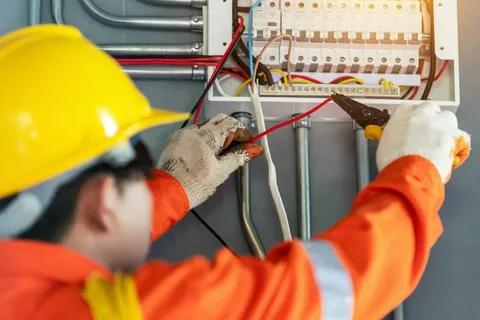
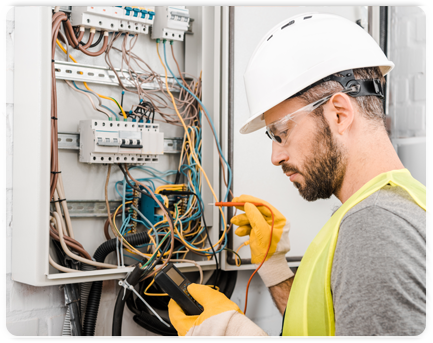
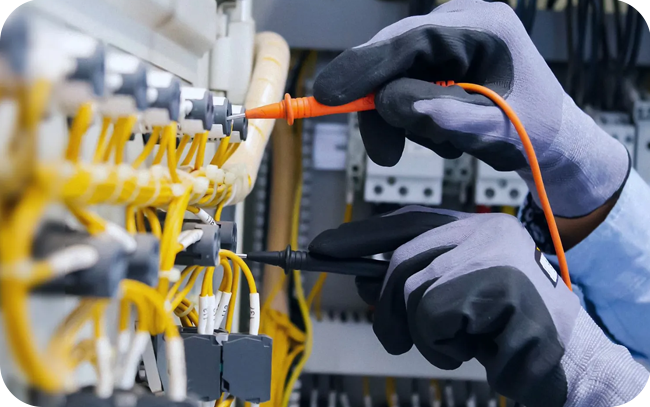
Electrical Home Inspections for Older Homes: 7 Issues Found in 2026 Inspections Older homes need careful electrical checks because wiring, outlets, and panels weaken over time. These issues grow slowly and stay hidden until they interrupt daily use. Therefore, clear inspections help you see early risks and plan simple upgrades before they spread. This guide explains seven issues found often in 2026 reports and shows how each one affects safety. Beginners often ask where to start with lighting upgrades. For this reason, Ceiling Light Installation Guide for Home Renovations 2026 supports the same approach and gives you steady steps. Use that guide with your electrical home inspection so you understand each part of the process. In brief, both resources help you prepare before repairs begin. What Is a Full Electrical Replacement? If you’ve ever wondered whether a full electrical replacement is the same thing as rewiring, you’re not alone. Most homeowners think upgrading a few wires or outlets will fix their issues, but this process has far more tucked into it than that. A complete electrical replacement involves upgrading your home’s breaker panel, wiring, outlets, switches, grounding system, and sometimes even the service line that connects your property to the utility grid. Unlike simple house rewiring, this process makes sure every part of your electrical system works together seamlessly. It’s not just about replacing what’s old; it’s about future-proofing your home. So if you’ve ever asked yourself “how do you know if you need a new electrical panel?” or “when should I replace my wiring?”, you’re in the right place. The next section will walk you through seven clear signs it’s time to upgrade before your system fails when you need it most. Old or Damaged Wiring Even the best electrical systems wear out with time. But here’s the tricky part — the warning signs of electrical problems in home rarely show up as something dramatic. Instead, they start small, like a tripped breaker here, a dim light there, a strange buzzing sound you can’t quite place. So, let’s break down the signs your home may need an electrical replacement, what causes each one, and which components a licensed electrician would typically replace to bring everything back up to code and efficiency. 1. Frequent Breaker Trips and Power Surges Hidden Weak Points: Old wiring weakens as insulation breaks down and metal parts lose strength. Many older homes hide this damage inside walls, where heat and age create small cracks. Inspectors often spot these weak points during an electrical home inspection because they check each main line for safety. Signs You Notice: Flickering bulbs, warm outlets, and frequent breaker trips signal early wiring trouble. These signs appear during an electrical home safety inspection, where the system gets tested under normal load. Loose connections and worn spots often show up during this process. Safety Check Steps: Professionals follow a home electrical inspection checklist to review outlets, switches, panels, and exposed wires. Each part gets checked for stability, grounding, and heat issues. This reveals whether the wiring needs small repairs or full replacement. Overloaded Electrical Panels Panel Stress: Older panels struggle when more devices run than they were built to support. Heat builds in the breakers, and small faults begin to form. Consequently, these issues appear early during a home inspection electrical, especially when the system feels unstable. Visible Warning Signs: Breakers that trip often, warm metal surfaces, and buzzing sounds point to overload. These symptoms grow slowly, yet they create real pressure on older systems. In addition, inspectors spot these patterns during a whole home electrical inspection, where load balance becomes clear. Inspection Review Steps: Electricians check breaker strength, grounding, and wiring entry points through an electrical home inspection checklist. This process reveals weak breakers or outdated parts that need attention. Therefore, upgrading the panel at the right time prevents heat buildup and reduces long-term risk. Outdated Breaker Panels Old Panel Limits: Many older homes still use panels that no longer match modern power needs. These units handle less load and react slowly during faults. Moreover, issues build quietly until they disrupt daily use, which inspectors uncover during an electrical home inspection. Performance Problems: Slow breaker response, flickering lights, and uneven power flow show that the panel has reached its limit. These signs appear often in homes with growing electrical demands. In addition, a home electrical safety inspection reveals weak spots that need quick attention. Cost Considerations: Upgrading an old panel depends on the home’s size and wiring condition. Prices vary by region, yet most reports show stable trends. Consequently, homeowners check the home electrical inspection cost before planning the replacement. Loose or Unsafe Outlets Aging Outlet Damage: Older outlets loosen with use as metal parts wear down and grip weakens. This creates small gaps where heat builds and sparks form. Consequently, inspectors often flag these spots during an electrical home safety inspection because loose outlets increase daily risk. Everyday Warning Signs: Outlets that wobble, discolor, or heat up during use show clear problems. These signs appear slowly yet signal deeper wear inside the wall. Moreover, an electrical home inspection checklist helps identify which outlets need tightening, repair, or full replacement. Repair Planning: Fixing unsafe outlets depends on the wiring behind them. Some need a simple tightening, while others need new boxes or updated wiring. Therefore, homeowners review the cost of electrical inspection on home early so they understand repair needs before moving forward. Improper Grounding Ground Path Weakness: Older homes often have grounding paths that no longer meet current standards. Weak grounding fails to redirect stray electricity during faults. Consequently, inspectors report this often during a whole home electrical inspection because it affects overall system safety. Visible Clues: Shocks from switches, light buzzing, and metal parts that feel charged point to grounding issues. These problems look small yet signal deeper trouble in older wiring paths. Moreover, a home inspection electrical review highlights spots where grounding needs improvement. Correction Steps: Fixing grounding requires checking each outlet, the main panel, and the … Read more