
Why Your Panel Smells Warm: 8 Early Failure Indicators
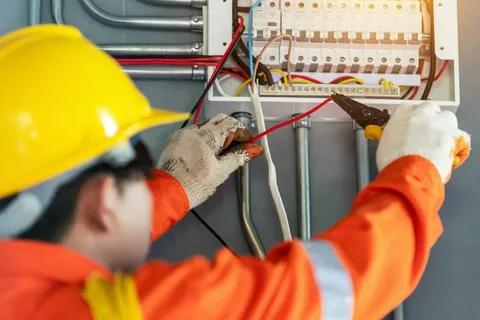
Why Your Panel Smells Warm: 8 Early Failure Indicators Have you ever walked by your electrical panel and stopped because you caught a strange, warm smell? Maybe you’ve asked yourself, “why does my electrical panel smell like that?” That’s your gut telling you to pay attention. That faint odor is one of the clearest warning smells your home can give you. It’s easy to brush it off, thinking it’s just dust on a lightbulb or the furnace kicking on. But here’s the thing: your main electrical panel shouldn’t have a smell at all. That warmth and odor are signs of stress inside, like a quiet alarm bell. Ignoring it doesn’t make the problem go away; it usually lets it build into something more serious, like damaged electrical panel wiring or a fire risk. So, what smells are warning signs, and what should you do? You’re in exactly the right place. In this guide, we’ll walk through the 8 early signs that often start with that warm smell, explain what’s happening in simple terms, and give you the steps to protect your home and family. Let’s figure this out together. What That Warm Smell Really Means You’re not imagining things, and you’re not overreacting. When you ask, “what does it mean when you smell electrical burning?” the short answer is that something is getting too hot. Think of it like a cord that gets warm when you plug in too many things. Inside your electrical panel board, that same thing happens with loose screws, worn-out parts, or wires pushed beyond their limit. This heat is the real problem here. It slowly cooks the plastic insulation around wires (which causes that slight burning smell from electrical panel) and can eventually lead to a much more dangerous situation. That smell of electrical fire is what happens when materials are already burning. Your goal is to catch the problem in the “warm smell” phase, long before it gets any worse. The danger of ignoring it? It’s not just a burnt-out breaker. We’re talking about damage to your appliances, a real risk to your home’s structure, and the safety of everyone inside. It’s the most important reason to not just notice these warning smells, but to act on them quickly. Speaking of action, the first step is knowing exactly what to look and listen for beyond just the smell which is exactly what we’ll cover next with the 8 key signs. The 8 Early Failure Indicators You Need to Know Now that you understand why that smell is a big deal, let’s play detective. These are the signs that often show up alongside (or even before) that warm odor. Think of this as your checklist. If you notice one, it’s a hint. If you notice two or more, it’s a clear message from your home that your electric panels need a professional check-up. 1. A Burning Smell This is the one that likely brought you here. A persistent burning smell from electrical panel is a direct red flag. It could smell like hot plastic, melting rubber, or even an oddly sharp, chemical scent. If you ever think, “I smell electrical burning,” don’t talk yourself out of it. This isn’t normal and needs immediate attention. 2. A Fishy Scent Here’s a weird one that throws people off. If your electrical panel smells like fish and there’s no forgotten dinner nearby, it’s often a very specific warning. This can be the smell of overheated electrical components, like a failing breaker or melting plastic insulation. It’s a classic example of how warning smells aren’t always what you’d expect. 3. Buzzing or Humming Your panel should be quiet. A steady buzz or hum is the sound of electricity jumping across a gap (called arcing) or vibrating through a loose connection. It’s that same faulty connection creating the heat we talked about, now showing itself so you can hear it. 4. A Warm or Hot Panel Go ahead and carefully place your hand on the metal door of your panel. It should feel room temperature. If it’s unusually warm or even hot to the touch, that’s heat escaping from a serious internal problem. This is the physical proof of why your panel smells warm. 5. Frequent Circuit Breaker Trips If your breakers are tripping more often than you flip a light switch, it’s a sign they’re working overtime. They’re designed to shut off power when a circuit is overloaded or has a fault, like the loose, overheating connections we’ve been talking about. If they trip for “no reason,” it’s often because the problem is hidden inside the electrical panel board itself. 6. Flickering or Dimming Lights Do your lights dim when the fridge kicks on, or flicker for no apparent reason? This isn’t a ghost; it’s a voltage drop. It can happen when a struggling connection in the panel can’t deliver steady power. It’s a visible side effect of the same instability that causes buzzing and heat. 7. Discolored or Scorched Outlets/Switches Take a quick look at the outlets and switches around your house, especially near the panel. Any brownish or black scorch marks, or yellowing plastic? That’s heat damage. The heat travels from a bad connection in the panel out through the wires to the outlets, leaving a visible trail. 8. Old Age or Known Problem Brands Sometimes, the biggest clue isn’t a smell or sound, but a date. If your home is over 25 years old and the panel has never been updated, the electrical panel parts are simply past their prime. The same goes for certain brands that were known for faulty breakers that don’t trip when they should. Age and reputation themselves are silent failure indicators. So, you’ve got the checklist. You might be spotting a few of these signs right now. But what’s actually causing all this heat and commotion behind the panel door? Let’s pull back the cover and look at the common culprits. Causes Behind a Warm Electrical Panel All those signs … Read more